
November is Mouth Cancer Action Month, so we're providing information about oral cancer, its causes, symptoms, and treatment options. Mouth cancer is one of the fastest-growing cancers in the U.S., but when it's detected and treated early, it has an excellent prognosis. However, it spreads rapidly and is asymptomatic, so you won't know you have it until it has spread. Don't let anomalies develop into mouth cancer. Get them checked as soon as you notice something strange.
Oral cancer, also called mouth cancer, is any cancer that develops in the mouth. It can also appear in the neck or head, although those are less prevalent. Typically, mouth cancer develops in the:
Unfortunately, mouth cancer is typically asymptomatic, so you won't notice it until the disease has spread. For this reason, we urge all our patients who are at least 18 to get an oral cancer screening. The screening doesn't take long. It's painless and non-invasive. Early detection and treatment can make the difference between a relatively simple treatment with an excellent prognosis or a more complicated treatment with a less desirable outcome. If you haven't been screened for oral cancer, then call our Philadelphia office to schedule an appointment.
If you notice any of the following, then call our office without delay:
Although the presence of any of these doesn't indicate that you have oral cancer, they're anomalies that shouldn't be ignored, so make an appointment promptly.
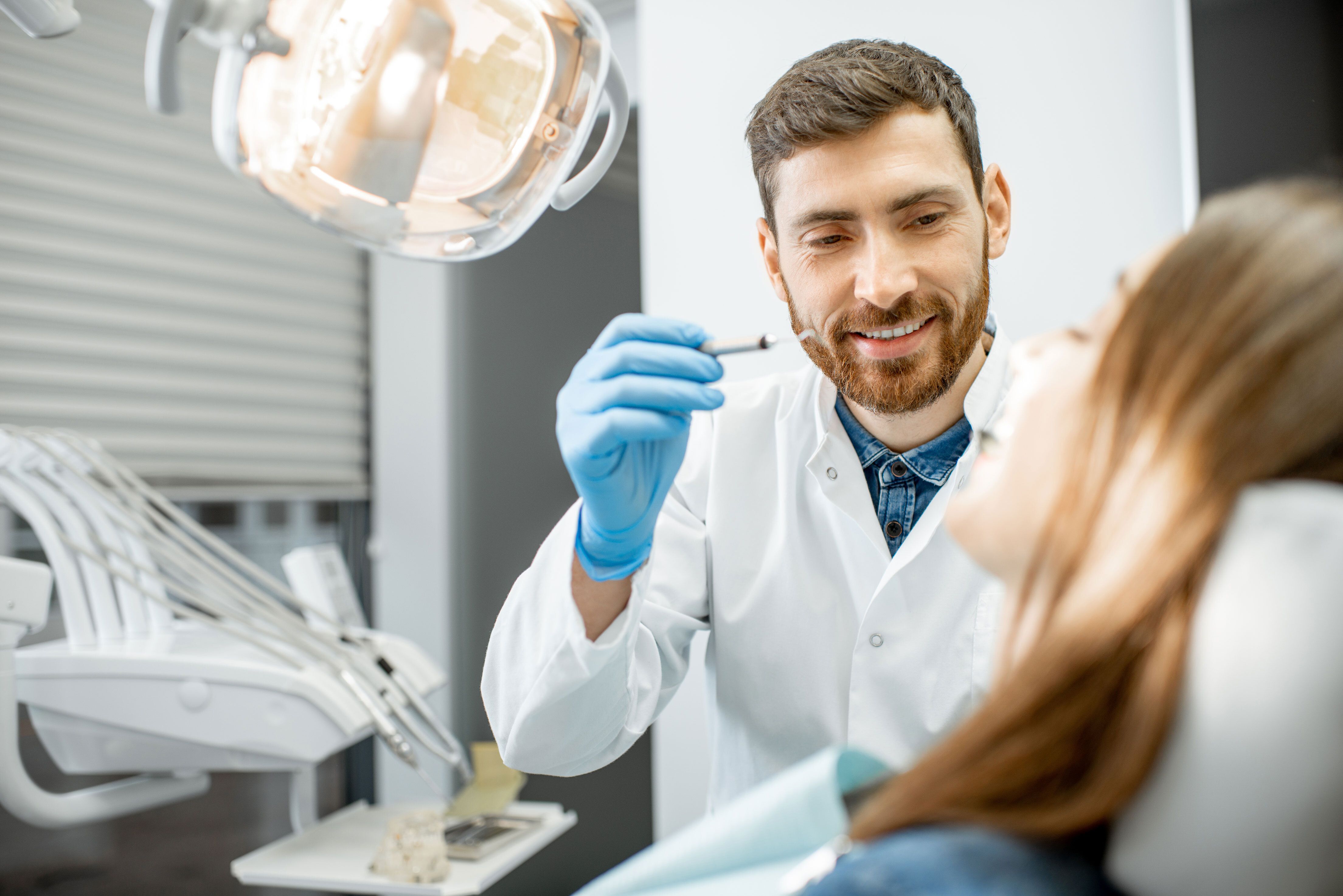
Your dentist will palpate the soft tissues of your mouth, such as the cheeks, lips, tongue, salivary glands, and other areas as they see fit. Depending on the results, they may order a tissue biopsy or additional testing.
Each treatment protocol is unique to the individual because no two cases are identical. Factors that will determine the course of treatment include the age and extent of the cancer, whether it's isolated or has metastasized, the type of cancer, and your overall health. Your treatment team will consist of your general dentist, an oncologist, and perhaps a maxillofacial dentist, depending on the scope of the treatment. Treatment regimens can be as simple as removing the cancerous tissues or as complex as one or more rounds of radiation and chemotherapy that may also include reconstructive surgery. The earlier mouth cancer is diagnosed and treated, the better the prognosis and the less invasive the treatment.
Although oral cancer can be genetic, such as if a first-degree relative has or had it, it usually appears as the result of lifestyle habits. A first-degree relative is a parent, child, or sibling. Lifestyle habits that can increase your risk factor for developing oral cancer include:
Although some of these are unchangeable, some are not. Changing those that are changeable may decrease the impact of those you can't change, so change what you can and don't stress over the others.
Unless you have a genetic tendency to develop it, you can take steps to reduce your risk factors by taking the following steps:
There's no guarantee that you will or won't get oral cancer, but avoiding the risk factors you can control can greatly minimize the impact of those you can't control. The best prevention is a regular dental exam and a healthy lifestyle.
When you increase your oral health, you also improve your physical health since the two are inextricably linked. So take advantage of Mouth Cancer Action Month to make sure that both your mouth and your body are as healthy as possible.
If you need to schedule an oral cancer screening or if it's time for your annual exam and teeth cleaning, call Dental Solutions at , and we can schedule an appointment with one of the best dentists in the area. We have an excellent reputation in the Philadelphia area, and we're sure you'll be happy with the service you receive.
Remember, early detection and treatment provide the best prognosis, so call our Philadelphia office without delay to schedule your appointment.
We look forward to speaking with you and working with you.